Softude
Predictive maintenance has proven its value in manufacturing. Industry research shows it can reduce unplanned downtime by 30–50%, extend asset life by 20–40%, and lower maintenance costs when implemented effectively. Yet many manufacturers still struggle to move beyond pilot projects or achieve measurable ROI.
The reason is rarely a lack of sensors, data, or AI. More often, predictive maintenance initiatives lose momentum because organizations start with the wrong assets, work with disconnected data, underestimate the complexity of legacy equipment, or overlook the operational knowledge needed to build reliable models.
This guide explores the four most common predictive maintenance challenges manufacturers face, why they occur, and what practical steps can help overcome them.
Whether you’re evaluating your first predictive maintenance initiative or trying to scale an existing program, understanding these challenges can help you focus your investment where it delivers the greatest operational impact.
Key Highlights
- Predictive maintenance projects often struggle because of poor implementation planning, not a lack of AI or sensor technology.
- The four biggest predictive maintenance challenges are asset prioritization, data integration, legacy equipment retrofitting, and the maintenance skills gap.
- Monitoring every machine doesn’t guarantee better results. Prioritizing high-impact assets first delivers faster ROI.
- Disconnected sensor, SCADA, MES, and ERP data is one of the biggest barriers to building accurate predictive maintenance models.
- Legacy equipment can support predictive maintenance through retrofitting, but cost and implementation complexity vary by asset type.
- Capturing the expertise of experienced maintenance technicians is essential for improving model accuracy and reducing knowledge loss.
- Manufacturers should assess their plant maturity before scaling predictive maintenance to identify the right starting point.
- A phased rollout focused on business-critical assets helps reduce implementation risk and improves long-term adoption.
What Are the Biggest Predictive Maintenance Challenges Manufacturers Face?
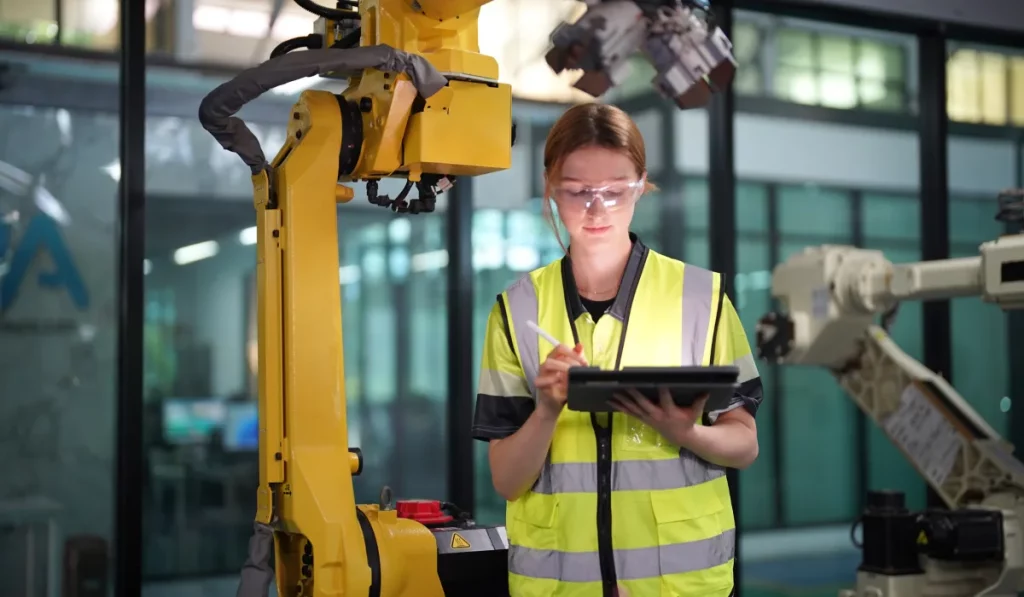
The biggest predictive maintenance challenges manufacturers face are:
- Prioritizing the wrong assets,
- Integrating sensor data across disconnected systems,
- Retrofitting legacy equipment,
- Growing maintenance skills gap
While AI and IoT technologies have advanced significantly, these operational and organizational challenges often prevent manufacturers from achieving the expected return on investment.
Understanding where your plant is struggling is the first step toward building a successful predictive maintenance strategy. The table below provides a quick overview before we explore each challenge in detail.
| Challenge | Why It Happens | Business Impact |
| Prioritizing the wrong assets | Monitoring equipment based on availability instead of business criticality | Higher implementation costs with limited reduction in unplanned downtime |
| Sensor data integration and data silos | Machine, SCADA, MES, and ERP systems operate independently | Incomplete or low-quality data reduces prediction accuracy |
| Legacy equipment retrofitting | Older machines lack built-in connectivity for modern monitoring | Increased retrofit costs, longer deployment timelines, and delayed ROI |
| Maintenance skills gap | Experienced technicians retire while AI expertise remains limited | Reduced confidence in predictive models and slower adoption |
How to Get the Most Value from This Guide
Ask these four questions about your plant first before addressing these challenges:
- Are we monitoring the machines that have the biggest impact on production?
- Can our operational and enterprise systems share reliable, consistent data?
- Which critical assets require retrofitting before predictive maintenance is possible?
- Do we have the maintenance expertise needed to validate AI-generated insights?
Your answers will quickly reveal which challenge deserves attention first, helping you prioritize improvements instead of trying to solve every problem at once.
Challenge 1: Prioritizing the Wrong Assets for Monitoring
Many predictive maintenance initiatives underperform because manufacturers monitor too many assets instead of the most critical ones.
It’s common to start with equipment that’s easiest to instrument or already tracked in a CMMS. However, this often spreads resources across low-impact assets while machines that cause the most production loss receive less attention.
McKinsey found that organizations with poorly scoped predictive maintenance programs capture only a fraction of the potential business value.
To solve this, start by prioritizing assets that:
- Stop or significantly slow production when they fail.
- Have frequent or unpredictable failures.
- Are expensive or time-consuming to repair.
Key takeaway: Predictive maintenance delivers the greatest ROI when you monitor the assets with the highest business impact first, then expand the program based on results.
Challenge 2: Sensor Data Integration and Data Silos
Even with the right sensors in place, predictive maintenance can fail if data is scattered across disconnected systems.
Many manufacturers collect data from machine sensors, SCADA, MES, ERP, and CMMS platforms, but these systems often don’t communicate with each other. As a result, AI models receive incomplete, inconsistent, or poor-quality data, leading to unreliable predictions and missed maintenance opportunities.
Before building AI predictive models, make sure you can:
- Consolidate data from OT and IT systems into a single view.
- Standardize timestamps and data formats across sources.
- Eliminate missing or duplicate data that affects model accuracy.
Instead of adding more sensors, focus on improving data quality and integration. This creates a reliable data foundation for AI predictive maintenance to produce more accurate failure predictions.
Key takeaway: The challenge isn’t collecting more data, it’s connecting and preparing the data you already have so predictive models can generate reliable insights.
Challenge 3: Legacy Equipment Retrofitting
Many manufacturers rely on legacy equipment that wasn’t designed for AI predictive maintenance. These machines often lack the connectivity needed to collect real-time condition data, making implementation more complex than simply installing sensors.
The level of effort depends on the equipment. Some machines support straightforward sensor integration, while others require additional hardware, signal converters, or edge devices to capture usable data.
Before planning a rollout, evaluate:
- Which critical assets already support sensor integration.
- Which machines require retrofitting or edge devices.
- Whether the expected ROI justifies the retrofit investment.
Rather than retrofitting every machine at once, prioritize high-value assets that are both critical to production and practical to upgrade. This phased approach reduces costs, minimizes disruption, and delivers faster results.
Key takeaway: Legacy equipment doesn’t prevent predictive maintenance—it requires a smarter rollout strategy that balances retrofit complexity with business value.
Challenge 4: The Maintenance Skills Gap
Technology alone doesn’t make predictive maintenance successful; people do.
Many manufacturers face a growing maintenance skills gap as experienced technicians retire while demand for AI engineers, data, and reliability engineering skills continues to increase.
Without experienced maintenance teams to validate predictions and identify failure patterns, even accurate AI models can struggle to gain trust on the plant floor.
To reduce this risk:
- Document failure modes and maintenance knowledge from experienced technicians.
- Involve maintenance teams in validating AI recommendations.
- Upskill employees on predictive maintenance tools and workflows.
Capturing operational expertise before it’s leaves the organization helps improve model accuracy, accelerates adoption, and ensures predictive maintenance becomes part of everyday maintenance decisions rather than just another technology initiative.
Key takeaway: Successful predictive maintenance combines AI-driven insights with the expertise of maintenance professionals. The strongest programs use technology to support experienced teams, not replace them.
Predictive Maintenance Challenges by Plant Maturity
Not every manufacturer faces the same implementation challenges in predictive maintenance. The biggest obstacle often depends on the maturity of your maintenance program. Use the table below to identify where your plant is today and which challenge to address first.
| Plant Maturity | Most Likely Challenge | Recommended First Step |
| Reactive maintenance (limited monitoring, no CMMS) | Prioritizing the right assets | Identify the equipment with the highest production and maintenance impact before investing in sensors. |
| Preventive maintenance (CMMS with limited sensor data) | Data integration and silos | Connect machine, SCADA, MES, ERP, and CMMS data to create a reliable data foundation. |
| Connected operations (sensors deployed across critical assets) | Legacy equipment integration | Prioritize retrofitting high-value legacy equipment to expand predictive maintenance coverage. |
| Advanced predictive maintenance | Maintenance skills gap | Strengthen AI adoption by capturing technician expertise and upskilling maintenance teams. |
Quick Self-Assessment
If you’re unsure where to begin, ask yourself:
- Are unplanned breakdowns still your biggest problem? Start with asset prioritization.
- Do you have sensor data but limited insights? Focus on data integration.
- Are older machines slowing implementation? Evaluate retrofit requirements.
- Do teams hesitate to trust AI recommendations? Invest in knowledge capture and workforce readiness.
Conclusion
Predictive maintenance delivers the greatest value when it’s implemented with a clear strategy, not just new technology. While AI, sensors, and IoT make failure prediction possible, success depends on prioritizing the right assets, integrating reliable data, planning for legacy equipment, and equipping maintenance teams to act on insights.
By addressing these challenges in the right order, manufacturers can reduce unplanned downtime, improve asset reliability, and scale predictive maintenance with confidence.
Ready to Scale Predictive Maintenance Across Your Operations?
Whether you’re evaluating your first predictive maintenance initiative or expanding an existing program, the right strategy makes the difference between a successful deployment and another stalled pilot.
Softude helps manufacturers build AI-powered predictive maintenance solutions by combining expertise in AI strategy, data engineering, machine learning, and system integration. The result is a practical roadmap that reduces unplanned downtime, improves asset reliability, and delivers measurable operational value.
Talk to our AI experts to explore how predictive maintenance can fit your manufacturing environment.
Frequently Asked Questions
Approx 30% to 50%, according to McKinsey, whereas predictive maintenance can increase asset life by 20% to 40% when implemented effectively. Results are typically higher when manufacturers focus on critical assets and use high-quality operational data.
The biggest barrier is poor implementation planning rather than the technology itself. Common challenges include monitoring the wrong assets, disconnected data systems, legacy equipment, and a shortage of maintenance expertise.
Yes. Most legacy equipment can support predictive maintenance through sensor retrofits, edge devices, or signal conversion hardware. The best approach depends on the machine’s age, connectivity, and business value.
Start with equipment that has the greatest impact on production, safety, and maintenance costs. Assets that fail frequently, cause expensive downtime, or have long repair lead times usually deliver the highest return from predictive maintenance.
No. In most cases, manufacturers can retrofit existing equipment instead of replacing it. A phased rollout focusing on high-value assets is often more cost-effective than upgrading every machine at once.
Successful adoption depends on more than AI. Manufacturers should prioritize critical assets, integrate operational data, capture maintenance knowledge from experienced technicians, and expand deployments in phases based on measurable business outcomes.