Softude
An electronic batch record (EBR) is a digital record of how a manufacturing batch was produced, including materials, process steps, equipment, measurements, operator actions, quality checks, and approvals.
But EBRs are becoming more than a paperless way to document production.
As manufacturers connect batch records with MES, equipment, laboratory, quality, and other production systems, the information captured during manufacturing becomes structured and easier to access and analyze. That creates an opportunity to use analytics and AI to identify patterns, anomalies, and relationships across batches.
Key takeaways:
- An EBR digitally captures the execution and history of a manufacturing batch.
- A well-designed EBR does more than turn a paper form into a digital document. It captures structured data as production happens.
- That data can be used to compare batches, identify recurring deviations, and understand process trends.
- AI can add an analytical layer around EBR data, helping teams find patterns that are difficult to spot manually.
- AI does not replace the EBR, manufacturing controls, or quality decisions. It helps people make better use of the information those systems already capture.
What Is an Electronic Batch Record?
An electronic batch record is the digital, contemporaneous record of a specific manufacturing batch. It documents what was made, how it was made, what materials and equipment were used, what measurements were taken, which steps were completed, and who performed or approved them.
Depending on the manufacturing environment and system architecture, an EBR may be part of an MES or integrated with MES, ERP, LIMS, quality systems, equipment, and other production technologies.
A typical EBR can contain:
- Material and lot information
- Manufacturing instructions and process steps
- Equipment and machine information
- Process parameters and measurements
- In-process quality results
- Deviations and exceptions
- Operator actions and electronic signatures
- Dates, times, approvals, and audit trails
The important difference from a scanned paper record is the way information is captured.
A scanned document is still essentially a document. A properly implemented EBR can capture information as the manufacturing process is executed, validate required entries, enforce workflows, and create a traceable record of what happened.
Modern EBR platforms are therefore designed around manufacturing execution, not simply document storage.
Why Are Manufacturers Moving Beyond Paper Batch Records?
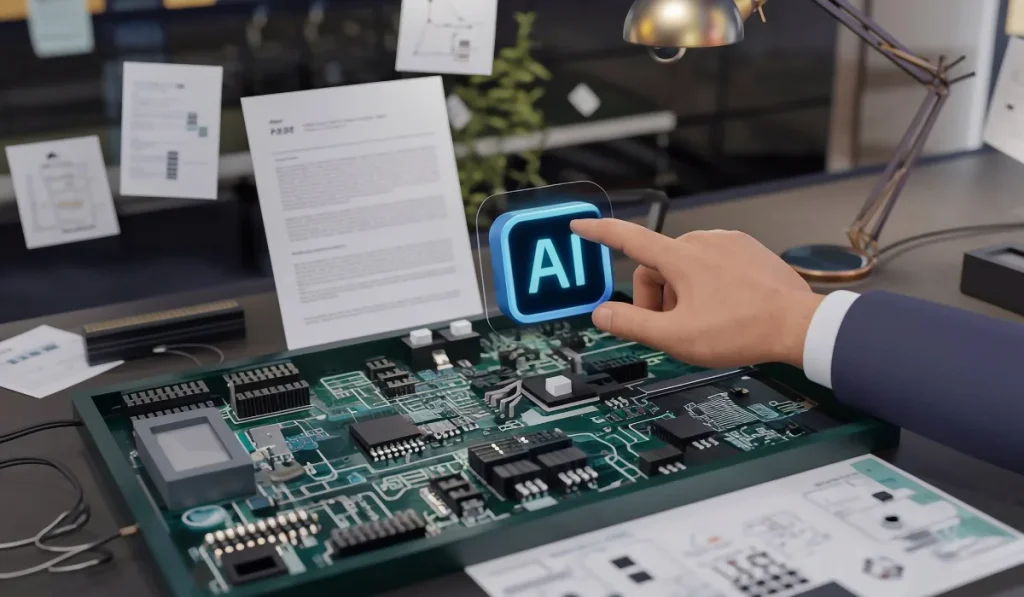
The obvious benefit of an EBR is getting rid of paper. The bigger benefit is making manufacturing information easier to control, retrieve, review, and use.
With paper records, information is often distributed across forms, handwritten entries, signatures, attachments, and supporting documents. Reviewing a batch can therefore involve checking whether every required step was completed correctly and whether supporting information is consistent.
An electronic workflow can capture information at the point of execution, apply predefined controls, and create an accessible audit trail.
That can reduce problems associated with manual transcription, missing information, physical document handling, and repetitive review. Siemens, for example, describes EBRs as providing online access to batch data, audit trails, process tracking, and reduced manual review.
But digitizing the record does not automatically solve every data problem.
If an operator still reads a gauge and manually types the value into an electronic form, the record may be digital while the data capture process remains manual. This is one reason newer discussions around EBR are moving beyond paper elimination toward data quality and connected manufacturing.
What Changes When EBR Data Becomes Structured?
Once batch information is captured consistently as data, manufacturers can start asking questions that are difficult to answer from individual paper records.
For example:
- Which process parameters tend to move before a deviation occurs?
- Are certain equipment conditions associated with longer batch times?
- Do particular raw-material lots appear more frequently in problematic batches?
- Which process steps generate the most exceptions?
- How does one batch compare with hundreds of previous batches?
The value comes from moving from “What happened in this batch?” to “What can we learn from many batches?”
Imagine a process parameter that remains technically within its approved range but gradually shifts over 100 batches. A person reviewing individual records may see every value as acceptable. Looking across the historical dataset, however, the gradual movement may become much easier to detect.
That does not automatically prove that the parameter caused a quality issue. It gives manufacturing and quality teams a signal worth investigating.
This is where structured EBR data starts becoming useful beyond documentation.
Where Does AI Actually Fit Around an EBR?
AI fits primarily around the EBR, not instead of it.
The EBR remains responsible for capturing and controlling the manufacturing record. AI can analyze the information collected by that system and help people identify patterns, exceptions, or relationships across large volumes of data.
A simple way to picture the relationship is:
Manufacturing process → EBR/MES → Structured batch data → AI/analytics → Human review and action
The AI layer might combine EBR information with other relevant sources such as equipment data, laboratory results, quality records, or historical batch outcomes.
The exact architecture depends on the use case and existing manufacturing systems. There is no requirement that every manufacturer replace its EBR or MES before experimenting with AI.
What Can AI Actually Do With EBR Data?
AI has several practical applications around electronic batch record systems. The strongest use cases are those where teams already have a large amount of data but spend significant time manually searching, comparing, or interpreting it.
1. Detect unusual batch behavior
AI can compare current batch information with historical patterns and flag combinations of values that look unusual.
For example, a batch may not have a single parameter outside its expected range, but several parameters together may form a pattern that is uncommon compared with previous successful batches.
Instead of asking someone to manually compare hundreds of records, an AI model can help surface the batches or parameters that deserve attention.
2. Find patterns across deviations
Deviation records can contain valuable information about recurring manufacturing problems.
AI can analyze historical deviations and group similar cases based on factors such as process step, equipment, material, parameter, or description.
This can help teams identify questions such as:
“Have we seen something similar before?”
That can make historical investigation faster, particularly when the relevant information is spread across a large number of records.
AI can also help identify recurring relationships that may otherwise remain buried in historical data. Current enterprise quality platforms are already introducing AI capabilities for finding similar historical records and supporting investigation workflows.
3. Identify process trends
A single batch may look normal while a trend becomes visible across hundreds of batches.
AI and statistical analytics can help monitor changes in parameters such as temperature, pressure, cycle time, yield, or other process measurements.
The purpose is not to let AI declare that a process is failing. It is to give manufacturing teams an earlier signal that something may deserve investigation.
That distinction is important in regulated manufacturing: a pattern is a reason to investigate, not automatically a root cause.
4. Assist batch review
Batch review is another area where AI can reduce repetitive work.
Instead of treating every record as though every line requires the same level of attention, AI can help identify missing information, unusual values, repeated patterns, or potential exceptions for human review.
This aligns with the broader move toward structured digital execution and review by exception in modern EBR environments.
The reviewer still remains responsible for deciding whether an issue is acceptable, requires investigation, or needs escalation.
What AI Does Not Replace

AI should not be treated as a replacement for the electronic batch record system itself.
The EBR is part of the controlled manufacturing process. It records what happened and provides the traceability, workflow controls, approvals, and audit information required by the organization’s manufacturing and quality processes.
AI serves a different purpose.
It can analyze information, surface patterns, summarise records, classify information, or generate recommendations for human review. It does not automatically become the authoritative manufacturing record simply because it has access to that record.
This distinction becomes especially important in regulated environments where data integrity, electronic records, signatures, validation, and human oversight matter.
A useful implementation therefore keeps the responsibilities separate:
| System or layer | Primary role |
| EBR | Capture and control the batch record |
| MES | Coordinate and execute manufacturing operations, where applicable |
| Equipment/historians | Generate operational and process data |
| LIMS / quality systems | Manage laboratory and quality information |
| AI/analytics | Analyze data and surface patterns or insights |
| Manufacturing & Quality teams | Review findings and make controlled decisions |
What Needs to Be in Place Before Applying AI?
Having an EBR does not automatically mean an organization is ready for AI.
The first question is whether the data can actually support the intended use case.
Look at five areas before starting:
- Data quality
Are measurements captured consistently? Are units, timestamps, equipment identifiers, batch IDs, and other fields reliable?
- Data accessibility
Can the relevant information be accessed from the EBR and connected systems without manually assembling it every time?
- Historical data
Does the organization have enough relevant historical information to identify meaningful patterns?
- A specific problem
“Use AI on our batch records” is not a useful starting point.
“Identify unusual combinations of process parameters associated with historical deviations” is much more actionable.
- Human review
Who will investigate an AI-generated signal? What happens after it is flagged? How will the team determine whether the signal is useful?
These questions matter because AI quality depends heavily on the quality and context of the data it receives.
A perfectly capable model cannot reliably find a manufacturing pattern that the underlying data does not represent.
Where EBR Is Heading
The direction of digital batch record is broader than simply replacing paper.
Recent industry developments show that EBR products are increasingly focused on structured digital execution, connected quality workflows, and AI-assisted manufacturing and review.
That points toward a more useful role for paperless batch records. The EBR can become one of the structured data sources through which manufacturers understand how production is actually performing.
That creates a progression:
Paper records
↓
Digital batch records
↓
Connected and structured manufacturing data
↓
Analytics and pattern detection
↓
AI-assisted manufacturing insight
The technology does not need to jump from paper to autonomous AI overnight.
For many manufacturers, the more realistic opportunity is to start with the data they already capture and solve one valuable problem around it.
The Next Step: Start With the Data You Already Have
Manufacturers do not necessarily need another standalone system to start exploring AI.
If your organization already captures manufacturing information through a digital batch record system, MES, equipment, laboratory, quality, or other systems, the first step may be identifying one specific workflow where that data can provide more value.
Softude helps businesses build practical AI automation solutions that integrate with existing systems and workflows, without requiring a complete technology overhaul.
Connect with us if you need to build AI tools around your existing records and systems.
FAQs
Yes. AI can potentially work with an existing electronic batch records system when the relevant data can be accessed and integrated in a suitable format. The feasibility depends on the system architecture, available interfaces, data quality, security, and the intended use case.
No. An AI solution can potentially be built around an existing MES and EBR environment. Whether additional integration or changes are required depends on what data the AI application needs and how that information is currently stored.
Yes, provided the historical records contain sufficiently consistent and usable data. Older records may require cleaning, structuring, mapping, or validation before they can support reliable analysis.
EBR data records what happened during manufacturing. AI-generated insights interpret that data to identify patterns, anomalies, relationships, or areas that may require attention.