Softude
Artificial Intelligence has grown from being merely a helpful tool into a powerful force that is rewriting the entire travel experience. In 2026, AI is no longer operating behind the scenes; it is shaping decisions, guiding journeys, responding to real-time conditions, and crafting deeply personalized experiences. From predicting future disruptions to building itineraries that feel hand-crafted, AI has become the travel partner every traveler never knew they needed. As global tourism rebounds and travelers seek more comfort, reliability, and convenience, AI stands at the center of innovation, turning once complicated travel processes into seamless, intuitive, and highly enjoyable experiences.
What Are the Key AI Trends Reshaping the Travel Industry in 2026?
Let’s dive deep into the major AI-driven transformations that are rewriting how people explore the world, from planning and booking to living out unforgettable journeys.
-
Hyper-Personalized Trip Planning

AI makes experiences more personalized than ever. It goes beyond simple recommendations and builds travel experiences that feel intimately tailored to each person. Modern systems analyze a traveler’s behavior patterns, digital footprints, dietary needs, fitness habits, preferred climate, hotel comfort levels, and even emotional triggers.
In 2026, AI does not just create itineraries, it creates meaningful journeys. For example, if a traveler tends to visit cultural sites in the morning and unwind near water in the evening, the AI automatically structures days around those habits. If the traveler is on a budget, the system balances cost with comfort, recommending affordable yet high-value activities. And because these plans are dynamic, they shift instantly when it rains, if crowds grow, or if the traveler shows interest in a new activity.
This level of personalization turns travel into something fluid, intuitive, and deeply aligned with who the traveler truly is.
-
AI-Powered Virtual Travel Advisors

Today’s virtual advisors are more than booking assistants; they behave like knowledgeable travel concierges who deeply understand personal travel styles. They can hold natural conversations, detect stress or confusion in a user’s voice, and respond with empathetic, tailored solutions.
These advisors do not rely on predefined scripts; they learn over time. If a traveler often checks for “hidden gems,” the AI begins recommending lesser-known attractions. If a traveler values punctuality, the AI prioritizes flights with strong on-time records. During disruptions, the advisor works instantly behind the scenes, checking alternative routes, negotiating availability, and rebooking without the traveler needing to worry or wait in lines.
This creates a sense of security, like traveling with a smart, well-informed partner who always has your back.
-
Real-Time Predictive Travel Insights
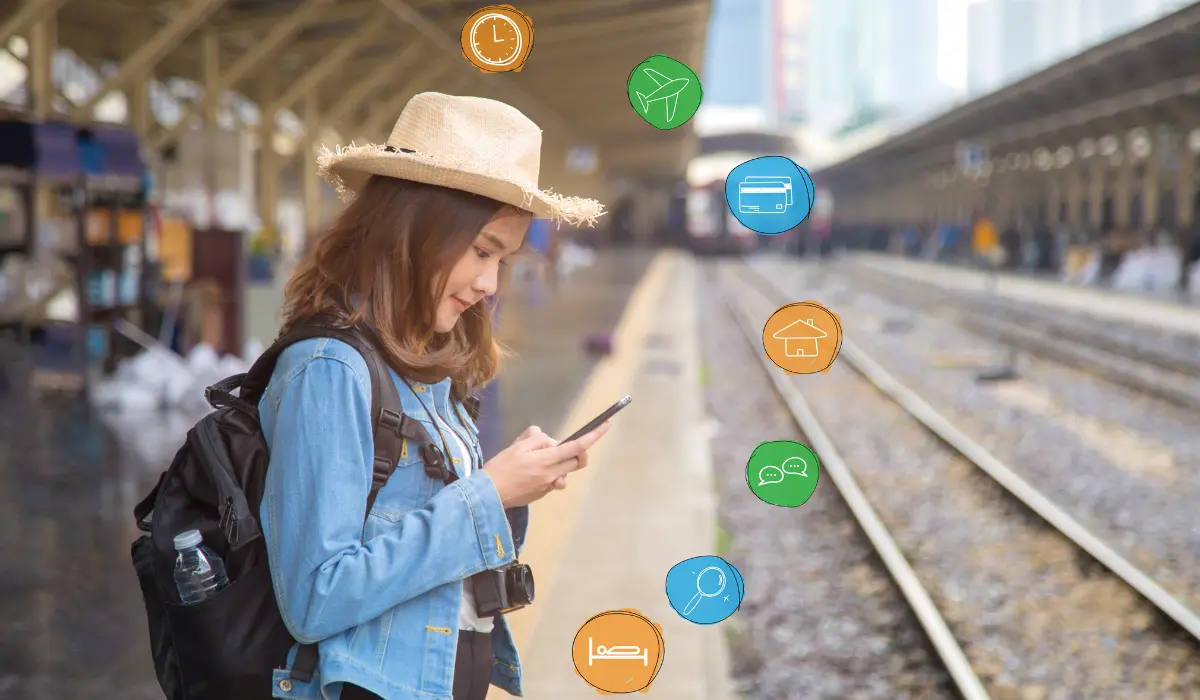
Predictive AI has become one of the most powerful tools in the travel world. It gathers data from satellite systems, airport operations, local government alerts, airline trends, social media activity, and global travel movements to predict what might happen next.
Travelers now receive notifications like:
- “Your flight is likely to be delayed because of runway congestion.”
- “The Louvre will be packed between 11 AM and 3 PM.”
- “Tokyo hotel rates may rise 15% in the next 48 hours.”
- “Weather moving toward Bali may affect coastal activities tomorrow.”
These insights empower travelers to plan smarter, avoid pitfalls, and make confident decisions. Instead of reacting to problems, travelers now stay one step ahead of them.
-
Smart Airports & Autonomous Travel Hubs
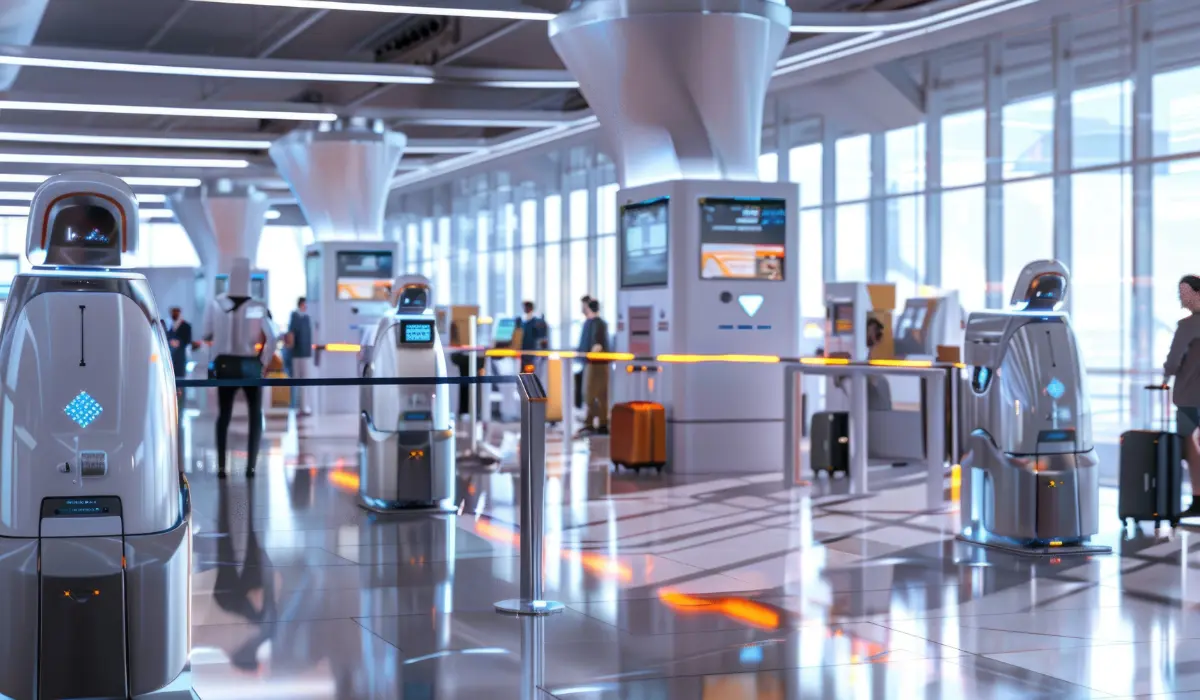
Airports in 2026 have grown into hyper-efficient, AI-operated environments designed for stress-free travel. Biometric recognition systems scan faces in seconds, eliminating long check-in lines. AI monitors crowd movement, adjusting security lane openings automatically to maintain a smooth flow.
Robotic guides roam terminals, escorting passengers directly to gates and helping with language support. Smart sensors identify lost luggage within moments and track its movement across the airport. Autonomous shuttles transport passengers to boarding areas while AI directs aircraft on the ground to optimize time and fuel usage.
These advancements transform airports- once known for long waits and confusion into calm, intuitive, and efficient hubs of travel.
-
AI-Enhanced Hotel & Hospitality Services

Hotels are using AI to anticipate guests’ needs long before they are expressed. Rooms adjust lighting to match the guest’s circadian rhythms, set temperatures according to their personal comfort history, and recommend shows or music that the guest is likely to enjoy.
Emotion-detecting AI at reception identifies whether guests are tired, stressed, or excited and adapts its communication accordingly- offering faster check-ins to exhausted travelers and detailed recommendations to curious explorers.
AI-driven maintenance systems detect issues such as failing thermostats or leaks before they occur, ensuring the guest never experiences inconvenience. Restaurants in hotels use AI to remember dietary preferences, allergies, and past orders, making dining deeply personalized and seamless.
This creates a thoughtful, smart, and almost human-like hospitality experience.
-
Sustainable Travel Powered by AI

With sustainability becoming a global focus, AI plays a critical role in reducing environmental impact while still enriching travel experiences. Airlines use predictive AI to choose flight paths that minimize fuel consumption and avoid turbulence. Hotels rely on smart energy systems that optimize air-conditioning, heating, water use, and lighting based on real-time occupancy, saving resources without compromising comfort.
AI also evaluates destinations and tours to ensure they follow authentic sustainability practices, helping travelers choose responsibly. It suggests low-carbon transportation options, eco-certified stays, and nature-friendly routes, making sustainability effortless rather than a burden.
This shift allows travelers to explore the world more responsibly while still enjoying high-quality experiences.
-
Immersive AI-Generated Destination Previews

Before committing to a destination, travelers can now “experience” it through realistic AI-generated previews. These immersive simulations showcase what streets look like at night, how beaches appear during different seasons, the vibe of neighborhoods, and the atmosphere of iconic landmarks.
Travelers can virtually walk through hotel rooms, compare balcony views, or explore streets to see whether an area is lively, peaceful, romantic, or family-friendly. AI adds layers of detail, such as:
- expected crowd levels
- typical weather patterns
- ambient noise
- popular routes
- cultural highlights
This transforms pre-trip research into an exciting, interactive exploration that builds confidence and anticipation.
Conclusion
AI has become the beating heart of modern travel, a tireless companion that plans smarter, predicts better, and adapts faster. In 2026, it is not just improving travel; it is completely reshaping how people experience the world. With hyper-personalization, intelligent advisors, predictive insights, autonomous airports, sustainable solutions, and immersive previews, the future of travel is more intuitive, efficient, and inspiring than ever.
AI is not replacing human adventure; it is enhancing it, elevating each journey into a seamless story of discovery.
FAQs
1. How is AI improving the travel experience in 2026?
AI enhances travel by offering personalized itineraries, predictive insights, automated bookings, smart airport navigation, and immersive destination previews. It makes the entire journey smoother, faster, safer, and more enjoyable.
2. Can AI really personalize a travel itinerary?
Yes. AI analyzes preferences, behavior patterns, budgets, past travel data, and even mood to create custom trip plans. These itineraries adjust dynamically as real-time conditions change.
3. Is AI safe to use for booking flights and hotels?
Absolutely. AI systems work with secure booking platforms, encrypted data, and verified travel partners. They reduce human error and offer accurate comparisons and recommendations.
4. How does Softude ensure data security while using AI?
We follow industry-leading security standards (GDPR, ISO, SOC2) and implement multi-layered encryption, role-based access, and secure AI governance to protect user data.
5. How fast can Softude deploy AI solutions for travel companies?
Depending on project size, our AI solutions can take anywhere from a few weeks to a few months. We offer phased deployment to ensure smooth adoption without disrupting existing operations.
6. Does Softude provide ongoing maintenance for AI systems?
Yes. Softude offers continuous monitoring, model upgrades, system optimization, and performance tuning to keep AI tools accurate, efficient, and future-ready.