Softude
Artificial Intelligence is transforming businesses at a pace faster than almost any other technology today. What once supported only isolated tasks has evolved into a powerful force that influences decision-making, operations, customer experiences, and long-term strategy across entire organizations. As AI capabilities continue to grow, their impact is becoming more interconnected and far-reaching. In this blog, we will explore the key AI trends in 2026, how they will work together to shape the future of artificial intelligence, and why businesses need to start preparing now to stay competitive and relevant.
How is the Future of AI Changing from Trying Things Out to Transforming the Whole Business?

Lately, many businesses have just been trying out AI with small test projects and limited uses. But by 2026, this testing time will mostly be over. Businesses are shifting toward using AI everywhere, creating systems that are designed to grow, change, and keep learning all the time.
This change sets the stage for everything else. Once AI is a core part of the business plan, businesses naturally start looking for tools that not only analyze data but also create value. This leads straight to the growth of Generative AI.
Trend 1: Generative AI: From Smart Ideas to Instant Creation
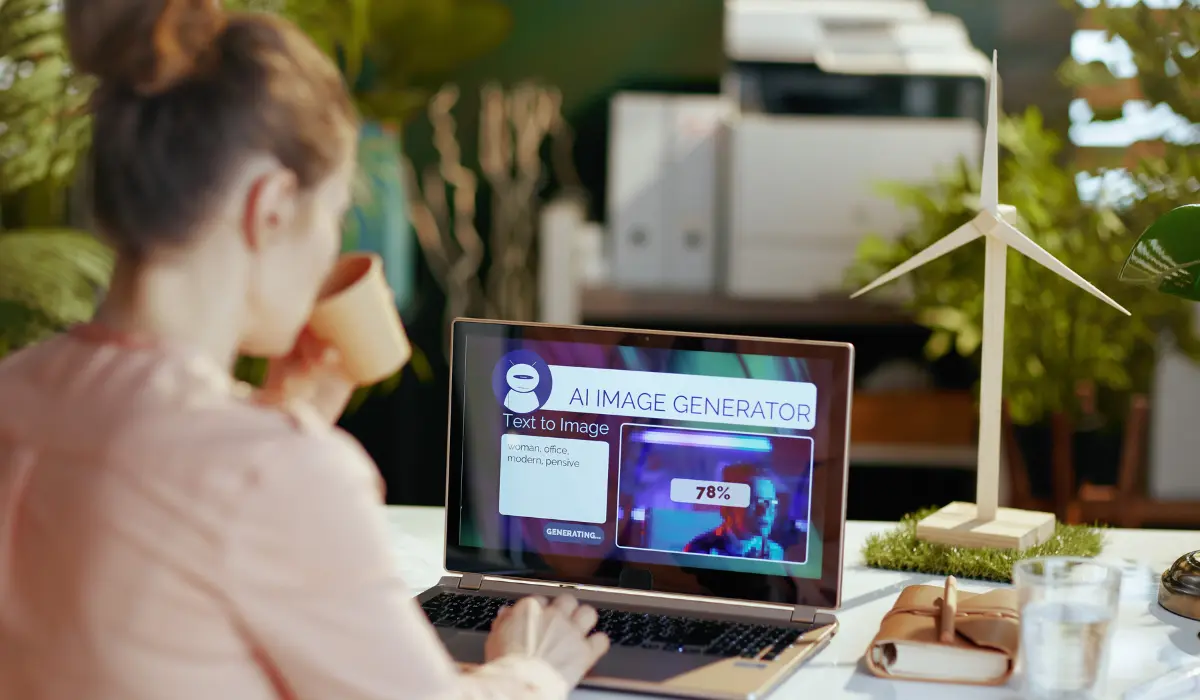
As AI is built into the main parts of the business, businesses need more than just guesses; they need things to be created. Generative AI meets this need by making content, designs, code, and test scenarios easily. In 2026, Generative AI will not be a neat trick; it will be a tool that every business needs to operate.
This step also means that systems need to be fast and able to act independently. When AI systems make things without human help, businesses start relying on them for quicker decisions, clearing the path for autonomous AI systems.
Trend 2: Autonomous AI Systems: When Machines Don’t Just Think, They Act

Generative AI brings creativity, but autonomous AI systems bring action. By combining these two types of AI, they can create solutions and execute decisions with minimal human involvement. From fixing supply chain problems to stopping fraud right away, self-driving (autonomous) AI will make operations much more effective.
However, as AI systems become more independent, trust becomes a huge concern. This naturally leads to a strong focus on ethical (fair) and responsible AI practices.
Trend 3: Ethical and Responsible AI: Power with Purpose

As AI gains independence, the need for responsibility goes up. Businesses cannot rely on powerful AI systems without making sure they are fair, clear, and follow all the rules. New laws and what customers expect will force organizations to use responsible AI practices.
Ethical AI does more than just lower risk; it builds trust. And once trust is strong, businesses feel confident putting AI even deeper into specialized tasks, speeding up the use of AI solutions built just for specific industries.
Trend 4: Industry-Specific AI: Built for Your World, Not Everyone’s

General AI tools often fail to solve complicated problems specific to one industry. With ethical rules in place, businesses will invest in AI models trained on data unique to their field. These solutions will understand the rules, workflows, and customer behaviors that are specific to each sector.
As AI gets more specialized, it also becomes better at working with people rather than replacing them.
Trend 5: Human-AI Teamwork: Smarter Work, Stronger People

The growth of industry-specific AI will change employee jobs. Instead of getting rid of jobs, AI will act as a smart partner. Employees will use AI helper tools (copilots) for insights and automated tasks, allowing them to focus on strategy, creative thinking, and building relationships.
This way of working together makes sure that using AI is steady, productive, and centered on people. To make this vision real, businesses must start getting ready today.
What Steps Should Businesses Take Now to Line Up with AI Trends 2026?

Preparation connects all the earlier trends into action. Businesses must update their data systems, teach new skills to employees, and adopt a long-term AI plan based on fairness and the ability to grow. Getting ready early ensures that new AI tools are adopted smoothly and lowers future problems.
Choosing the right technology partner is also key to dealing with complexity and turning AI potential into clear, good results.
The AI shift of 2026 is not just a group of separate trends; it is a connected journey. Businesses that understand how these steps build on each other will be best set up to succeed in the changing world of the future of AI.
FAQs
Why are AI trends 2026 more connected than past AI steps?
Ans. AI in 2026 grows as a system of connected skills, planning, creating, acting on its own, being fair, and working with people, rather than just being separate tools.
How does the future of AI affect how well a business competes?
Ans. Businesses that use AI in a complete way will make quicker decisions, create new things more easily, and give customers much better experiences.
Are new AI technologies right for all industries?
Ans. Yes. AI is becoming more customizable (able to be changed), making it useful across healthcare, finance, manufacturing, retail, and more.
How does Softude support fair AI use?
Ans. Softude brings deep expertise and a responsible-by-design approach to every AI solution, embedding clarity, fairness, and governance from the ground up. By aligning advanced AI capabilities with proven ethical standards and robust controls, we ensure AI solutions are deployed securely, transparently, and sustainably, giving businesses confidence.
How does Softude stay aligned with emerging AI trends?
Ans. We continuously monitor emerging AI technologies through ongoing research, industry collaboration, and hands-on implementation. We adopt only proven, secure, and ethical AI advancements to deliver future-ready solutions with real business value.
Why is Softude well-suited for industry-specific AI solutions?
Ans. Softude brings together deep knowledge of different fields with responsible AI rules to deliver custom, rule-following, and highly effective solutions.